Pot by Pot: The Quiet Revival of Britain’s Street-Level Gardens
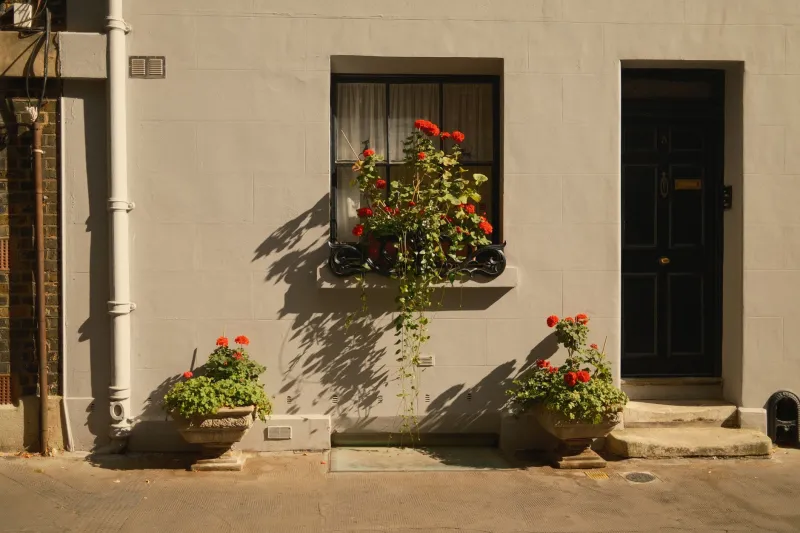
Walk down almost any residential street in Britain and you’ll see it: a row of pots by a door, a window box spilling over a sill, a few lavender bushes where a wheelie bin once ruled. The front garden is coming back — not as a manicured showpiece, but as something smaller, scrappier and far more public.
This is gardening at ground level. It’s the strip between the door and the pavement, the bit everyone sees and almost anyone can do. In 2026, that small, visible space is becoming a quiet style statement: less driveway, more colour; less gravel, more life.
The strip that says hello
“The front garden is the only bit of gardening most people do in public,” says Ruth Calder, a horticulturist who runs a community growing project in West Yorkshire. “It’s a conversation starter. You put a pot out and suddenly you’re part of the street.”
That public-facing quality is exactly what makes it interesting. A back garden is private; a front garden is a shop window. It tells neighbours, passers-by and delivery drivers something about the people inside — not in a grand, manicured way, but in a small, human way. A terracotta pot of rosemary by the door. A window box of winter pansies. A few bulbs pushing through in February.
The revival isn’t about restoring the Victorian lawn or recreating a cottage border. It’s about the strip outside the window: pots, planters, window boxes, hanging baskets and pavement-level planting. Some of it is rented, some of it is borrowed, some of it is three pots from the garden centre and a bag of compost. That’s the point.
Why now?
For years, the British front garden was paved over in the name of convenience: parking, low maintenance, somewhere to put the bins. But there’s been a shift. People want a bit of green back — not a full-scale landscaping project, but a small, affordable patch of colour that makes the street feel softer.
“It’s low-commitment gardening,” says Priya, a renter in Manchester who started with two pots and now has a windowsill of herbs and a doorstep of cyclamen. “I can’t dig up the front because it isn’t mine. But I can put pots out. People stop and ask what the purple thing is. That never happened when it was just concrete.”
The appeal is practical as well as aesthetic. Pots are cheap to start, easy to change with the seasons and kind to small spaces. They work for renters, for people with limited mobility, for anyone who wants a bit of style without a weekend of digging. And they soften the street — literally and socially.
The rules of the pavement plot
The good news is that front-garden gardening is forgiving. The less good news is that pots are not indestructible. A few practical rules make the difference between a charming kerbside and a sad row of dead twigs.
First, think about light. A south-facing frontage can take lavender, rosemary, sedum and geraniums. A shady street needs ferns, ivy, hostas and hellebores. Second, think about water. Pots dry out faster than borders, even in November. “Group pots together,” says Calder. “They shade each other, they hold moisture and they look better in a cluster.”
Third, think about weight and drainage. A large pot full of wet compost is heavy. If you’re above a basement or on a balcony, choose lighter containers or fewer pots. Always use pots with drainage holes and add a layer of crocks or gravel at the bottom. Fourth, think about access. Don’t block the pavement. Leave room for a pram, a wheelchair, a delivery driver with an armful of parcels. It’s a shared space.
If you rent, check your tenancy agreement before fixing anything to the wall. Freestanding pots and window boxes that clamp on are usually safer bets. And if you’re planting bulbs now, layer them in a pot with fresh compost: tulips, daffodils, alliums. Spring will do the rest.
Style at ground level
What makes a front garden look good isn’t the number of plants. It’s repetition. Three matching pots will always look more considered than ten mismatched ones. Pick a palette — terracotta and green, galvanised buckets and silver foliage, black pots and bold foliage — and stick to it.
Height matters too. A tall pot by the door, a low bowl by the step, a window box at eye level. Frame the entrance. Repeat the colour across the frontage. “It’s exterior styling with living material,” says Tom, a gardener in Bristol who has spent the last year swapping paving slabs for pots. “You’re not just growing plants. You’re composing a view from the pavement.”
And don’t overlook scent. A pot of rosemary by the door, a window box of lavender, a few sweet peas in summer — these are small luxuries that cost very little and get noticed every time someone walks past.
The neighbour effect
The unexpected bonus is the talking. A front garden is a shared surface, and shared surfaces start conversations. “I’ve met more neighbours in six months of pots than in five years of parking,” says Priya. “People stop to ask what I’m growing. Someone gave me a cutting. Someone else watered my pots when I was away.”
That’s the quiet magic of the pavement garden. It’s not just about style. It’s about softening the street, making it feel cared for, and giving people a reason to pause. In a year when so much of life happens indoors and online, a few pots by the door feel like a small, generous act.
Start small this weekend
You don’t need a plan. You need one pot, one bag of compost and one plant that suits the light. Add a window box if you have a sill. Plant bulbs now for spring. Group your pots. Water less than you think in winter, but don’t forget them completely. And leave the pavement clear.
The front garden is back because it’s a small, visible, generous thing. It says someone lives here and cares, just a bit, about the view from the pavement. And in 2026, that feels like a style move worth making.