The Saturday Gallery Hop: Why Britain’s High Streets Are the New Art Destination
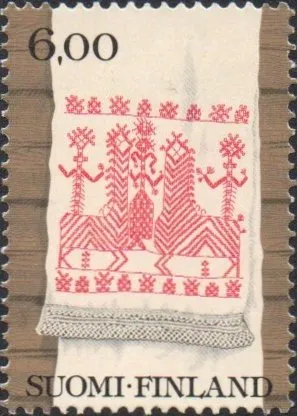
Photo: Post of Finland, Public domain, via Wikimedia Commons
There was a time when a Saturday art fix meant a train to London, a timed ticket and a slow shuffle past a crowd of phone screens. In 2026, the better plan might be closer to home. Across Britain, small galleries, artist-run studios and affordable art fairs are turning ordinary high streets into weekend destinations. The atmosphere is relaxed, the work is often excellent, and nobody minds if you are just browsing.
Why the art crawl took off
The appeal is partly practical. Town-centre rents have shifted, and empty shops have been repurposed as project spaces, print studios and tiny galleries. Local councils and business improvement districts have started to see culture as a reason for people to visit on a Saturday rather than a reason to leave. At the same time, buyers have become more curious about affordable original work – prints, small paintings, ceramics, textiles – rather than mass-produced décor.
There is also a mood shift. After years of big, blockbuster exhibitions with timed slots and crowded rooms, people seem to want something slower. A gallery crawl lets you wander in, talk to the person behind the desk, ask a question about a frame and leave without feeling you have failed at culture because you did not stay for three hours.
Route ideas for a day out
You do not need a formal trail. A good art crawl is usually three or four stops within walking distance, with coffee and lunch built in.
In London, try the smaller spaces around Vyner Street and Cambridge Heath, then loop back through a couple of artist-run project rooms. In Leeds, the cluster around the Calls and Kirkstall Road rewards a slow afternoon. Birmingham’s Digbeth has studios, printmakers and occasional open-house weekends. Glasgow remains one of the best cities in the UK for independent galleries, especially around the Trongate and Merchant City. Margate and Bristol both offer a mix of seafront studios, small commercial galleries and weekend fairs.
The trick is to check opening hours before you go – many independent spaces are run by artists and open Thursday to Sunday only – and to leave gaps. A crawl with five stops and no breathing room is just a commute with art.
A first-time buyer’s cheat sheet
Buying art can feel intimidating, but it does not have to be. Start with a budget you are genuinely comfortable with, whether that is £40 for a print or £400 for a small original. Ask about editions: a limited-edition print is usually signed and numbered, while an open-edition print is not. Ask whether the price includes framing, and if not, factor in the cost. If you are buying from an artist directly, ask how they recommend hanging or caring for the work.
It is also fine to ask about the story behind a piece. Most artists and gallerists would rather talk about the work than pressure you into a sale. If you are unsure, take a photo of the label and the price, go for a walk, and come back. A good gallery will not mind.
The etiquette of browsing
Art spaces are not shops in the usual sense, and a little awareness goes a long way. Do not touch the work unless invited. Ask before taking photographs, especially in artist-run studios. Keep drinks away from the walls. If a gallery is quiet, say hello rather than pretending to be invisible – but do not feel obliged to perform enthusiasm.
And if you are not buying? That is fine. The point of a healthy local art scene is that people can look, learn and come back. Sign up to a mailing list if you like the space. Tell a friend. Buy a postcard. The high street gallery survives on curiosity as much as cash.
The new weekend rhythm
The Saturday art crawl is not about becoming an expert overnight. It is about noticing what is happening a few streets away, giving it an hour, and letting the day unfold. Britain has always had a strong independent art scene; right now, it is just easier to find. Take a tote bag, wear comfortable shoes and start with the smallest gallery on the street.