Before the Evening Rush: The Quiet Triumph of the Daylight Screening
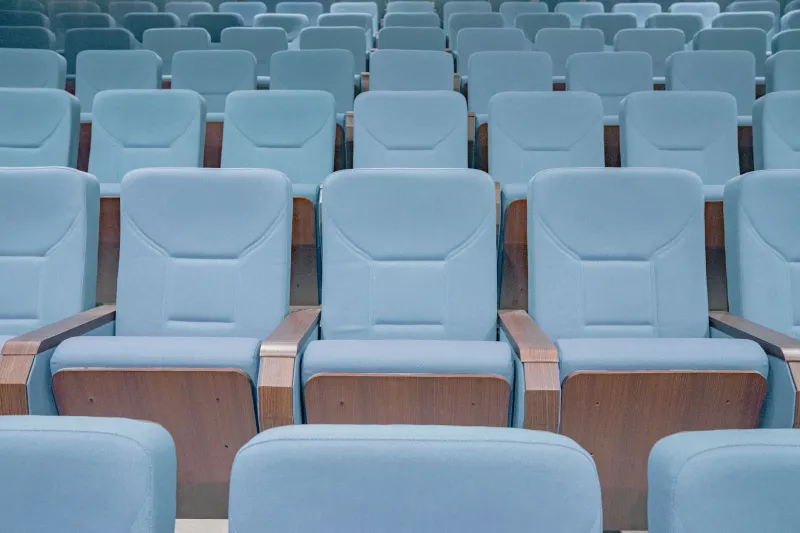
On a Wednesday afternoon in Manchester, the 4.10pm screening of a new French drama is not empty. A couple in the back row share a bag of Maltesers. A freelancer taps out a final email before the lights go down. Two friends who have both taken the afternoon off work settle in with coffees. Outside, the city is still in office mode. Inside, the film has already begun.
This is the quiet boom in daylight cinema. Across the UK, late-afternoon screenings are no longer the preserve of retirees and school-holiday families. They are becoming the smartest ticket in town: cheaper, calmer and increasingly programmed for people who want to see films without making a night of it.
The £15 problem
A standard evening ticket in London can easily hit £16 or £18. In regional cities, £12 to £14 is common. Add a drink, a snack and the journey home, and a simple trip to the cinema starts to feel like a budget line. The matinee, by contrast, often sits at £5 to £8. Some independent cinemas go lower. The savings are not marginal; they are the difference between a habit and an occasional outing.
But price is only part of the story. The daylight screening offers a different kind of evening — or rather, a different kind of afternoon. There is no scramble for seats after work, no queue at the bar, no audience chatter from people who have had three pints. The atmosphere is lighter, more attentive. You can arrive ten minutes before the film and still find a good seat. You can leave afterwards and be home before the late-night buses.
Who is going?
The audience is broader than you might think. Freelancers and remote workers are obvious recruits: people who can shift their hours and would rather spend a grey Tuesday afternoon in a dark room than at a desk. Shift workers, too, and parents who have finished the school run but not started dinner. Students. Early risers who prefer to be home by eight. And yes, retirees, who have been doing this all along and are now being joined by everyone else.
Cinemas have noticed. Independent venues such as the Glasgow Film Theatre, Broadway in Nottingham and the Hyde Park Picture House in Leeds have long championed the weekday matinee. Now larger chains are experimenting with £5 screenings before 5pm, and curated programmes are appearing at 3.30pm and 4pm. Some are aimed at parents with babies; others at people who simply want to see a film in daylight. The afternoon show has become a form of civic infrastructure: a warm, quiet room in the middle of the day.
A small rebellion
There is something quietly rebellious about choosing the 4pm screening. It rejects the idea that culture must happen after dark, that a good time has to be expensive, that an evening out must involve a performance of having an evening out. It is a small no to the £15 ticket and the £9 glass of wine and the expectation that you will stay out until it is socially acceptable to go home.
In November, 4pm is already dusk. The daylight screening is not really about daylight; it is about daylight hours. It is about using the time before the evening rush. The film ends, you step out into a dark street, and the night is still ahead of you — but you have already had your culture, your quiet, your two hours of someone else’s story.
The practical case
For cinemas, the matinee fills dead slots. A screen that would be empty at 4pm becomes a £5 ticket, a coffee and a packet of crisps. For audiences, it is a low-stakes way to see something adventurous. If the film is bad, you have lost £5 and an afternoon, not £20 and a whole night. If it is good, you have found a new favourite without the pressure of a big night out.
The daylight screening is not a compromise. It is a correction. It returns cinema to the rhythm of the day, where it started. It makes room for people who love films but do not love the performance of going to the cinema. And it makes the whole thing feel, once again, like a small pleasure rather than a financial event.
So next week, try it. Book the 4pm. Sit near the back. Let the film start while the rest of the country is still in a meeting. Walk out into the early dark. You may find that the best seat in the house is the one before the rush.