The New Library Regulars: Why Under-35s Are Booking Quiet Desks and Craft Nights
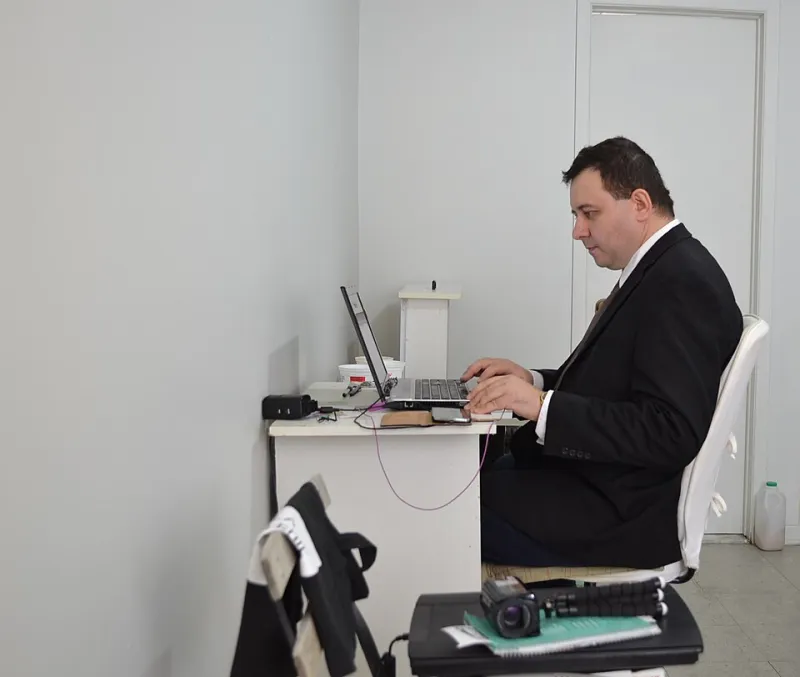
Photo: Islaava, CC BY-SA 4.0, via Wikimedia Commons
On a wet Thursday in late October, I walked into my local library at ten past six expecting the usual hush. Instead, I found a queue for the meeting room, a woman teaching a teenager to use a sewing machine, and three people in their twenties commandeering the long table by the window with laptops, oat lattes and a shared packet of Custard Creams. It was, by library standards, positively rowdy.
That scene is not an outlier. Across the UK in 2026, under-35s are rejoining libraries in numbers that would have seemed unlikely a decade ago. The draw is not simply books — though the books are excellent — but the building itself: a warm, free, low-pressure space that asks nothing of you except that you turn up. In a country where a flat white can cost £4.50 and every third place seems to require a booking deposit, the local branch has become quietly radical.
From Silent Study to Something More Social
The first shift is practical. Libraries have always offered desks, but many now market them properly: bookable study spots, reliable Wi-Fi, power sockets and opening hours that stretch into the evening. For freelancers, students and hybrid workers, the library is the Goldilocks option between a noisy café and a lonely kitchen table. You do not have to buy anything to stay. You do not have to explain yourself. You can work for two hours, close your laptop and leave without a flicker of guilt.
That matters more than it sounds. The rise of remote work has been sold as freedom, but it has also blurred the edges of the day. A library card gives those edges back. You arrive, you settle, you leave. The commute is replaced by a short walk and the quiet satisfaction of having somewhere to be.
The Repair Café Effect
Then there are the events. Repair cafés have become a fixture in many branches, with volunteers fixing everything from lamps to small kitchen appliances while owners watch and learn. The atmosphere is part tutorial, part village hall. You bring a broken thing; you leave with a working thing, a new skill and a conversation about why modern toasters are designed to fail.
Craft clubs have followed. Knitting circles, zine-making workshops, bookbinding sessions and crochet evenings now sit alongside the usual author talks and reading groups. Some libraries run board-game nights, film screenings and life-drawing classes. Others host after-work socials with tea, biscuits and no expectation that you will buy a round. The common thread is not the activity itself but the format: drop-in, affordable, gentle. You can arrive alone and leave having spoken to someone.
Why the Third Space Fits
The phrase 'third space' gets thrown around a lot, usually to describe somewhere you go that is neither home nor work. The problem is that most third spaces now come with a spend attached. The library is one of the last places in Britain where you can exist for free, for hours, without being moved along. It is also one of the few that welcomes a teenager, a retiree, a new parent and a freelancer in the same afternoon without any of them feeling out of place.
For under-35s in particular, that combination is potent. Rents are high, social plans are expensive and the pub is no longer the default answer to everything. The library offers something different: a calm room with a bit of buzz, a reason to leave the house and the option to be sociable or not. It is the quietest room in Britain that is somehow getting louder again — and that is a good thing.
Your Local Branch: A Practical Guide
If you have not been inside your local library since school, the programme may surprise you. Here is what to check before you go.
- Opening hours. Many branches now open later on weekdays and on Saturdays. Check your council website, not the old sign on the door.
- Desk space. Ask whether study desks can be booked, and whether there is a quiet zone. Some libraries have separate rooms for silent work.
- What is on. Look for repair cafés, craft clubs, reading groups, author talks and after-work events. The noticeboard by the entrance is usually the most up-to-date source.
- Digital extras. Most library services offer e-books, audiobooks and magazines through apps. You still need a card, and joining is free.
- What to bring. A charger, headphones, a reusable cup and your library card. That is genuinely it.
One word of advice: do not treat the library as a silent office on event night. If the craft club has taken over the main room, embrace it. The whole point is that the building is being used.
The Quiet Flex of a Library Card
Rejoining takes about five minutes. You fill in a form, show proof of address and walk out with a card that unlocks far more than shelves. In 2026, that small piece of plastic feels like a modest act of defiance against a culture that wants to charge you for every hour of comfort. It is also, frankly, a flex. Anyone can book a restaurant. Not everyone knows where the local repair café meets on a Tuesday.
So go in. Ask what is on. Stay for an hour. The hush may not last, but the welcome will.